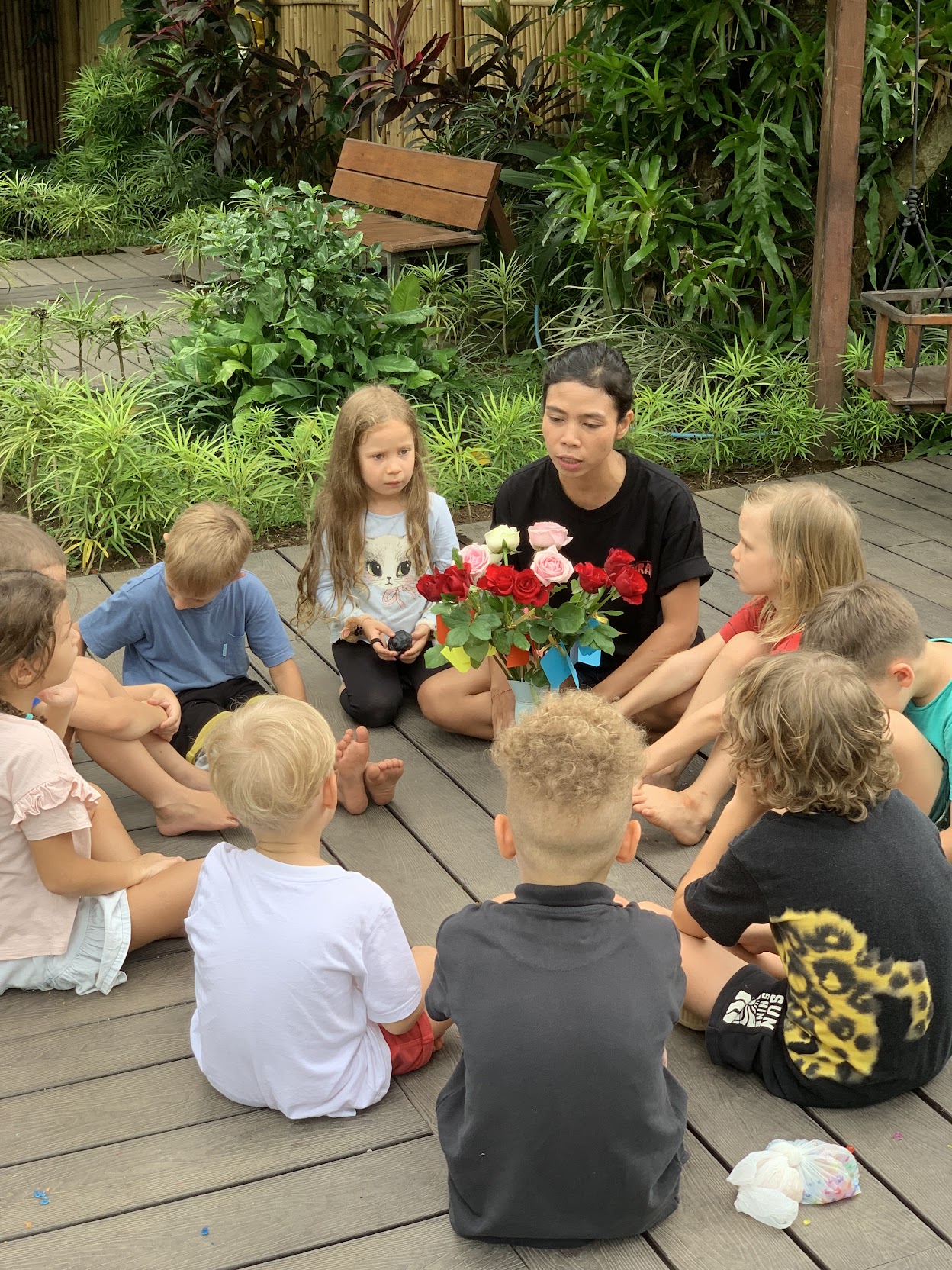
Art and Craft in Montessori: Developing Children's Creativity and Independence
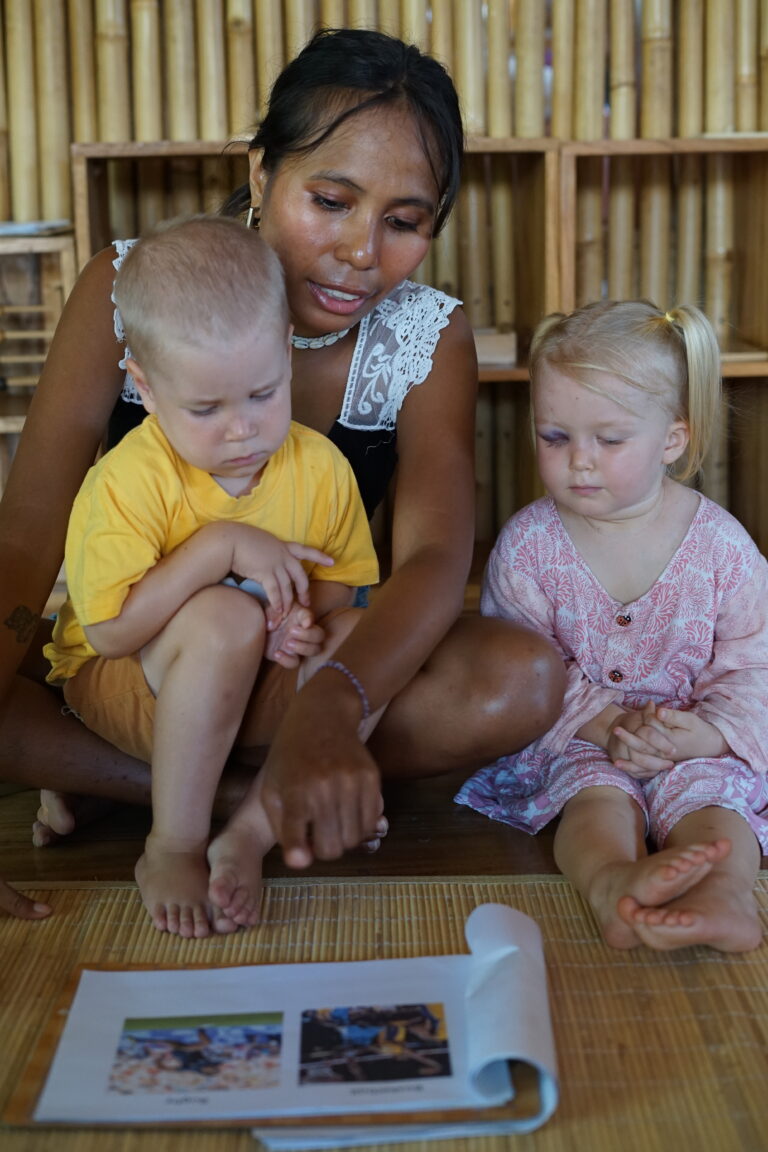
Art and Craft in Montessori: Developing Children's Creativity and Independence
Within the Montessori prepared environment, Art and Craft provides deeply meaningful avenues for self-expression, cognitive development, and fine motor refinement.
Unlike traditional art classes that require every child to recreate a teacher's sample project, Montessori approaches creative arts with a fundamental guiding philosophy: the internal creative process a child experiences is far more valuable than the final product.
Key Takeaway: Montessori Art and Craft is open-ended, child-led, and process-focused. By offering accessible materials (pencils, watercolors, clay, cutting scissors, and natural materials like leaves and seeds), children develop hand-eye coordination, finger strength, aesthetic appreciation, and authentic creative confidence without adult interference.
1. Hands-On Exploration: Process Over Product
Young children possess an instinctive desire to explore textures, shapes, and colors through their hands. When children manipulate art tools—holding brushes, cutting paper strips, kneading clay—they are not merely crafting; they are refining neural pathways, bilateral motor coordination, and visual-spatial judgment.By removing adult expectations of "perfection," children are free to experiment with color mixing, line thickness, and structural balance without anxiety over mistakes.
2. Drawing and Painting: Finding a Visual Language
In a Montessori classroom, children are provided with high-quality artistic mediums:- Colored pencils, oil pastels, and beeswax crayons.
- Watercolors, tempera paint, and high-absorbency paper.
- Individual easels accessible at the child's height.
Guides demonstrate the care and use of materials (cleaning brushes between colors, wearing protective aprons, wiping spills). From that point forward, children choose what they wish to paint, discovering their own visual language for their thoughts and emotions.
3. Cutting and Gluing: Precision and Pre-Writing Skills
Cutting and gluing activities are highly valued for early developmental readiness:- Scissors Mastery: Snipping cardstock and following lines builds thumb-finger opposition and intrinsic hand strength required for handwriting.
- Collage Making: Arranging geometric scraps, fabric pieces, or torn paper into collages develops composition sense and spatial awareness.
- Gluing Discipline: Applying controlled dots of glue with wooden spreaders teaches delicacy of touch and self-regulation.
4. Working with Clay and Modeling Dough: Tactile Mastery
Sculpting with natural clay, beeswax, or homemade non-toxic dough provides a rich sensory experience:- Squeezing, rolling, flattening, and shaping dough strengthens the palms and fingers.
- Sculpting three-dimensional forms develops stereognostic sense (understanding form through touch).
- Working with natural clay gives children an appreciation for earthy, moldable textures.
5. Nature Art: Sustainable Creation in Tropical Bali
Montessori art frequently incorporates items found in nature. At Balu Kids in Ubud, Bali, children gather natural treasures during outdoor campus walks:- Fallen tropical leaves and frangipani petals for botanical prints and mandalas.
- Polished river stones, bamboo segments, and coconut shells for painting.
- Seeds and volcanic sand for textured mosaics.
Connecting art with natural elements nurtures eco-consciousness and teaches children that beauty and creative inspiration are all around them.
6. Integrating Cultural Art and Diversity
Art is also closely linked to the Montessori Cultural Area. Children explore artistic traditions from diverse global cultures:- Traditional Indonesian batik patterns and Balinese wood-carving motifs.
- Aboriginal dot painting and Japanese origami paper folding.
- African geometric textile patterns.
Exploring world art fosters deep respect for human creativity across different backgrounds and historical periods.
The Role of the Montessori Educator in Art
The educator's role is neither to dictate themes nor correct a child's artistic choices. Instead, the educator:- Prepares the Environment: Organizes orderly, beautiful, accessible art shelves.
- Demonstrates Technique: Shows how to hold tools safely and maintain hygiene.
- Respects Autonomy: Steps back to allow uninterrupted concentration, honoring the child's unique creative voice.
Conclusion: Fostering Lifelong Creativity and Confidence
Montessori Art and Craft is not about making pretty refrigerator decorations; it is an active exploration of material, imagination, and selfhood. Through the joy of artistic creation, children develop the confidence, concentration, and fine motor precision that support all future learning.Looking for a creative, nurturing early childhood center in Ubud? Discover our creative arts and Montessori programs at Balu Kids today!