The Importance of a Consistent Daily Routine for Children Aged 1–6 Years at Home
By Balu Kids Team
August 10, 2026
4 min read

The Importance of a Consistent Daily Routine for Children Aged 1–6 Years at Home
A consistent daily rhythm is one of the most powerful foundations you can build for a young child between the ages of 1 and 6.
During early childhood, a predictable routine provides a secure emotional container. When children know what to expect throughout their waking hours, their anxiety drops, their self-confidence surges, and their brains become primed for curiosity and learning.
A successful routine does not need to be rigid or stressful. Rather, it is a steady flow of healthy daily habits repeated with gentle consistency.
Key Takeaway: A predictable daily schedule at home satisfies a young child's fundamental psychological need for order. By balancing wake-up rituals, wholesome nutrition, child-led play, shared reading, outdoor movement, naps, and a calming bedtime sequence, families foster autonomy, emotional stability, and better sleep.
1. Start with an Empowering Morning Routine
A positive day begins with predictable wake-up rituals:- Consistent Wake-Up Time: Anchoring internal circadian rhythms.
- Self-Care Habits: Involving children in making their beds, brushing teeth, washing faces, and choosing outfits.
- Montessori Dressing: Giving children the time to put on shoes and fasten buttons independently builds early responsibility.
2. Wholesome, Energizing Breakfast
Breakfast provides the metabolic fuel needed for brain development and active physical exploration:- Balance protein, healthy fats, fiber, and whole foods (eggs, fresh fruit, oatmeal, avocado).
- At Balu Kids in Bali, we integrate fresh organic green smoothies to jumpstart hydration and micronutrient absorption.
- Children who enjoy peaceful, unhurried breakfasts tend to start the morning calmer and more focused.
3. Child-Led Learning Through Play
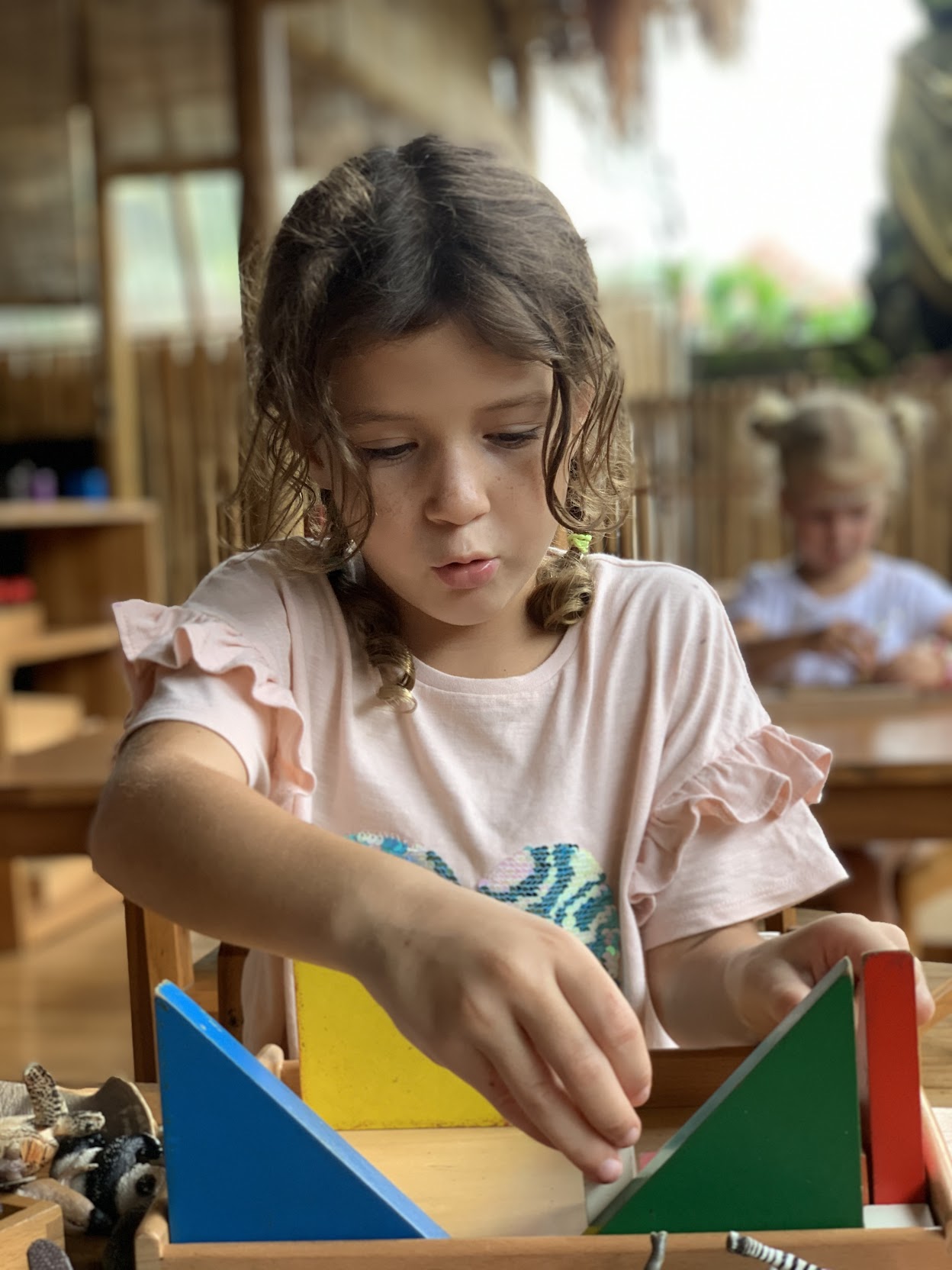
For toddlers and preschoolers, play is the primary vehicle for cognitive growth:- Open-Ended Materials: Building wooden blocks, interlocking puzzles, pretend play kitchen sets, and sensory bins.
- Process-Focused Exploration: Drawing, coloring, and tactile crafting.
- Simple, low-tech toys encourage creativity, spatial problem-solving, and communication far more than flashing electronic screens.
4. Daily Shared Storytime
Reading together every day is the single most effective activity for building early literacy and language comprehension:- Introduces expressive vocabulary and complex sentence structures.
- Enhances auditory listening and memory recall.
- Creates intimate, comforting emotional bonding between parent and child.
- Encourage dialogue by asking open-ended questions: "Why do you think the puppy is happy?"
5. Rejuvenating Lunch & Restful Nap Time
After an active morning of sensory exploration, young brains and bodies require recovery:- A nutritious, balanced lunch restores glycogen and mineral stores.
- Adequate Daytime Sleep: Napping consolidates memory, enhances mood regulation, and supports growth hormone release.
- Maintain a dark, cool, and quiet sleep environment for deep rest.
6. Afternoon Walks and Outdoor Nature Play
The afternoon is an ideal window for physical activity and nature connection:- Gross Motor Exercise: Running, climbing, balancing on logs, and exploring outdoor parks.
- Fresh Air & Sunlight: Supporting vitamin D synthesis and natural sleep cycles.
- Social Engagement: Interacting with peers in community parks or campus gardens.
7. Connecting Over Family Dinner
Family mealtime is about far more than eating—it is a cornerstone of family culture:- Sharing reflections about the day's adventures.
- Modeling positive table manners, graceful listening, and conversational turn-taking.
- Involving children in table setting and clearing plates to cultivate environmental responsibility.
8. Calming Bath Time, Reading, and Bedtime Rituals
A peaceful evening transition prepares children for deep, restorative nighttime sleep:- Warm Bath: Soothes the muscular system and signals winding down.
- Dimming Lights: Encourages natural melatonin production.
- 10–20 Minutes of Cozy Bedtime Reading: Creates a tranquil, secure boundary before sleep.
- Consistent Lights-Out Time: The American Academy of Sleep Medicine recommends 10 to 13 hours of sleep per day (including naps) for children aged 3 to 5.
Conclusion: Building Security and a Lifelong Love of Learning
Predictable routines give children the emotional security they need to flourish. By establishing simple, enjoyable daily rhythms, parents nurture independence, emotional regulation, and joyful family harmony.Looking for a balanced early childhood routine in Ubud? Discover our kindergarten and daycare programs at Balu Kids today!
Related Topics:
#daily routine for children#toddler daily schedule at home#importance of routine in early childhood#montessori routine at home bali#kids morning bedtime routine#parenting tips ubud