The Importance of Sensory Play for Children Aged 0 to 6 Years
The Importance of Sensory Play for Children Aged 0 to 6 Years
The first six years of a child's life represent the golden age of neurological development. During this brief period, the human brain forms synaptic connections at an unprecedented rate, making every sensory experience critical for building cognitive, linguistic, social, emotional, and physical capabilities.
One of the most effective ways to support this rapid growth is through Sensory Play.
Key Takeaway: Sensory play encompasses any hands-on activity that engages a child's senses (touch, sight, hearing, smell, and taste, alongside balance and body awareness). Supported by Maria Montessori and Jean Piaget, sensory exploration builds synaptic neural pathways, refines motor skills, expands language, fosters emotional self-regulation, and provides a calming effect.
What Is Sensory Play?
Sensory play is any activity that stimulates one or more of a child’s senses:- Tactile (Touch): Exploring textures, temperatures, weights, and forms.
- Visual (Sight): Differentiating colors, shades, patterns, and depths.
- Auditory (Hearing): Listening to natural sounds, rhythms, pitches, and volumes.
- Olfactory & Gustatory (Smell & Taste): Identifying botanical scents, herbs, and diverse food flavors.
- Vestibular & Proprioceptive (Balance & Spatial Orientation): Climbing, balancing, swinging, and navigating terrain.
Through sensory activities, children don't just have fun—they build mental maps of the physical world.
What Child Development Experts Say
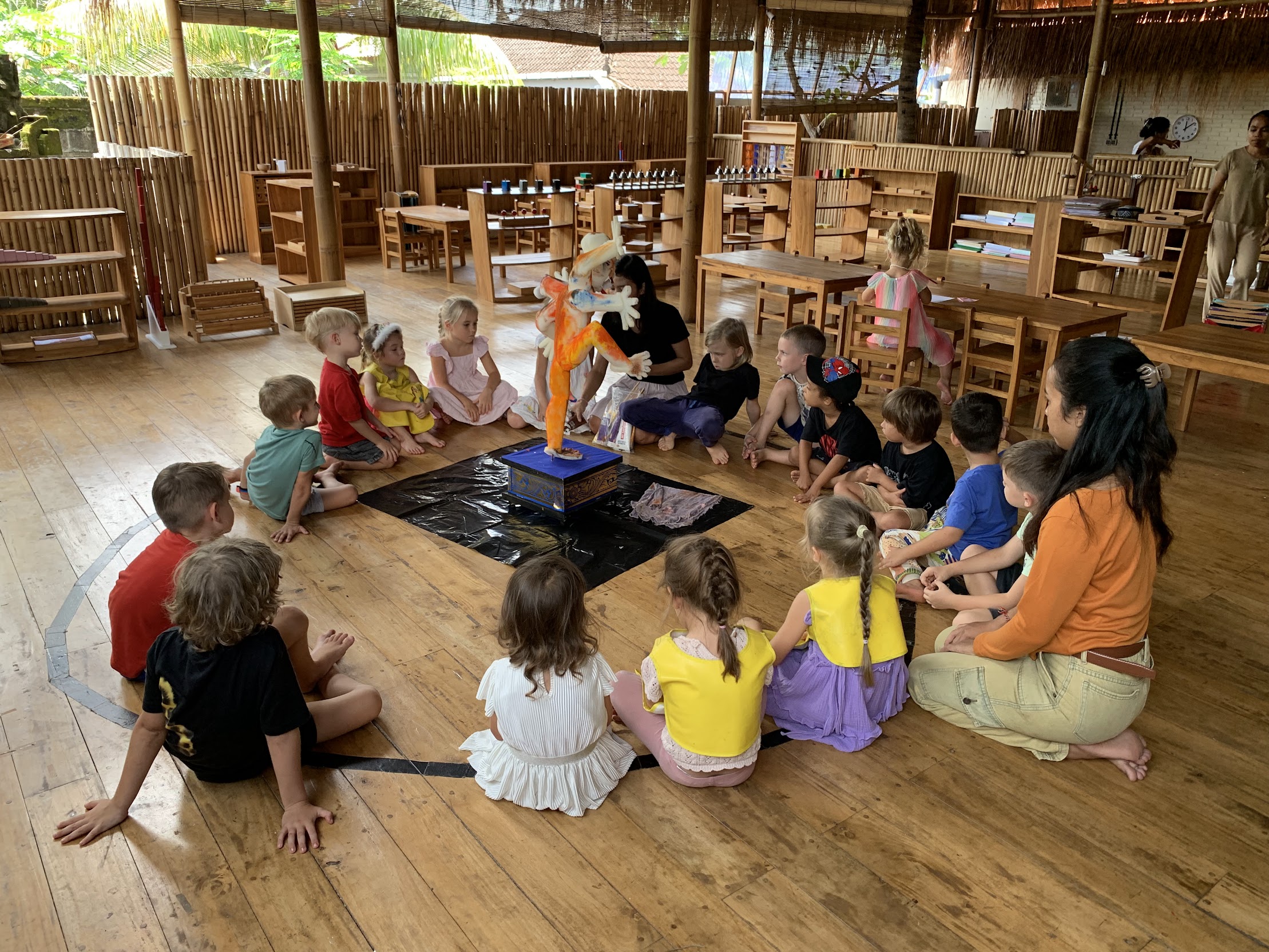
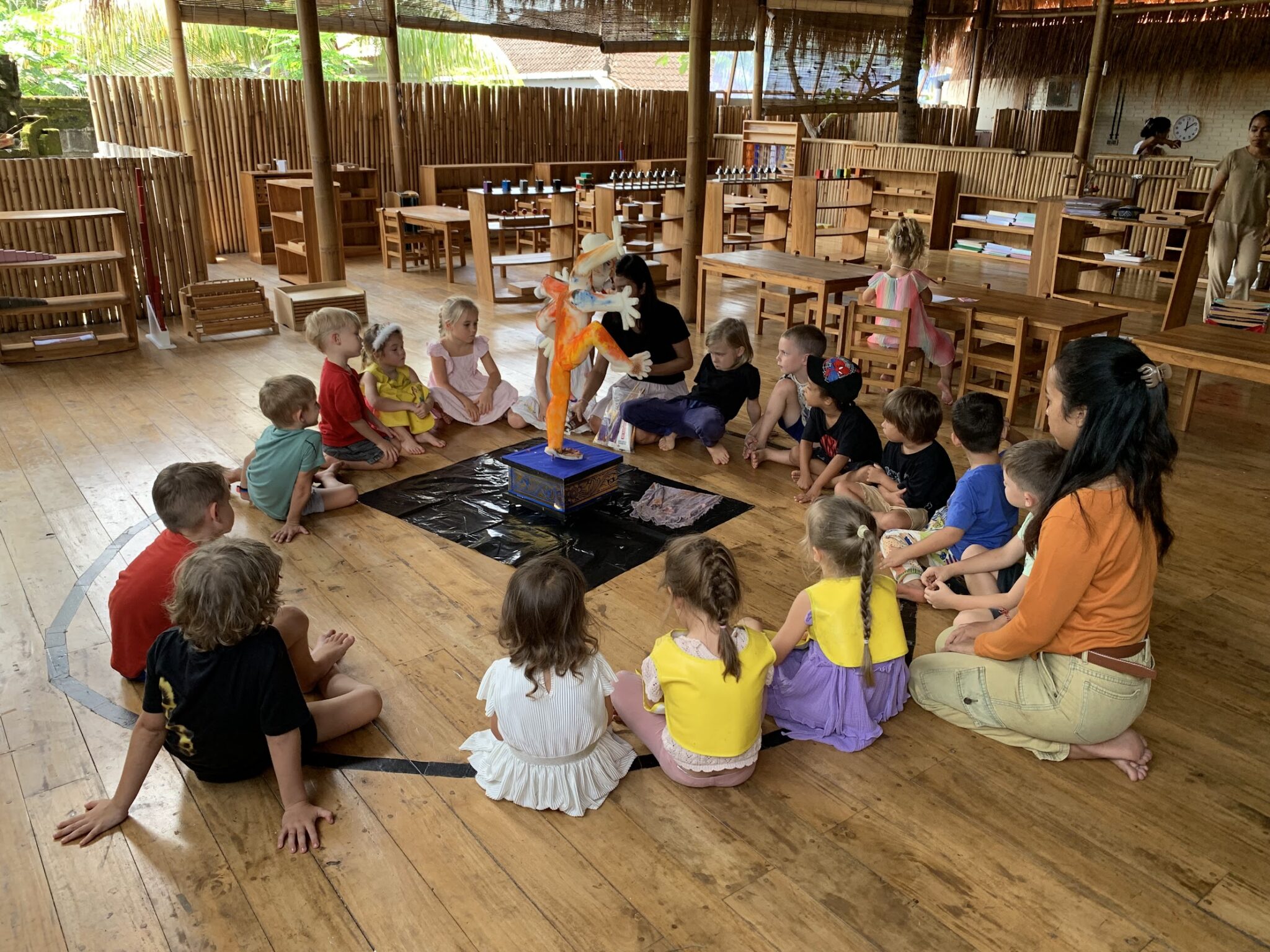
- Dr. Maria Montessori: Children learn best through concrete sensory manipulation of their environment. She designed specialized sensorial materials (pink tower, broad stairs, smelling bottles, touch tablets) that isolate specific sensory qualities to refine a child's perception.
- Jean Piaget: During the sensorimotor and preoperational stages, physical interaction with objects is the direct foundation for future abstract reasoning, logic, and scientific thinking.
- Brain Development: Experiences that involve several senses at once help the developing brain build and strengthen connections between its regions.
8 Developmental Benefits of Sensory Play
- Accelerates Neural Synapse Formation: Multisensory input builds strong, resilient brain pathways.
- Strengthens Fine & Gross Motor Skills: Kneading dough, grasping tongs, and balancing on natural logs develop muscular control.
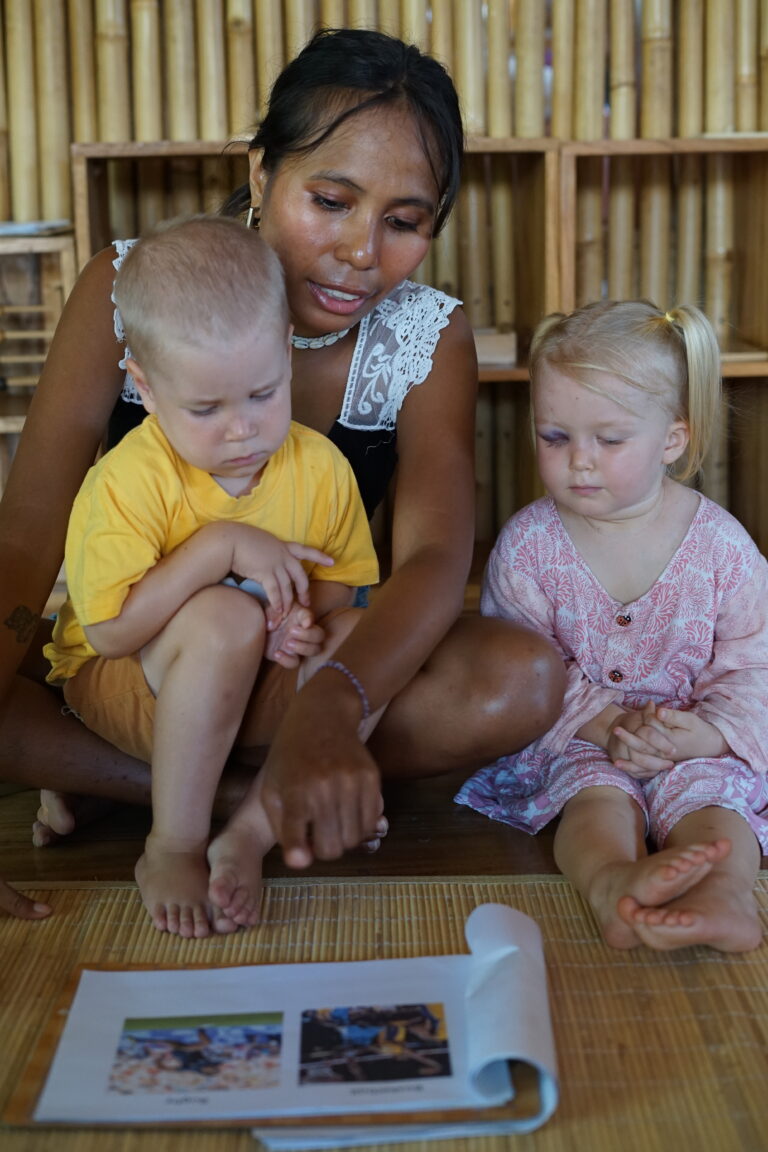
- Enhances Language Acquisition: Children learn descriptive adjectives (smooth, grainy, sticky, fragile, aromatic, damp) in direct physical context.
- Boosts Creativity & Problem-Solving: Open-ended sensory materials have no single "right answer," encouraging experimentation.
- Improves Concentration & Focus: Immersive tactile work induces deep, uninterrupted states of focus.
- Supports Emotional Regulation & Calming: Water play and kinetic sand soothe an overstimulated nervous system.
- Fosters Self-Confidence: Children experiment freely without anxiety over making mistakes.
- Develops Social Cooperation: Shared sensory bins encourage turn-taking, conversation, and collaborative play.
Age-by-Age Sensory Play Activity Guide
1 Year Old (Infants & Early Toddlers)
- Water Play: Splashing in shallow basins with floating wooden cups and silicone spoons.
- Fabric Discovery: Touching squares of silk, burlap, cotton, wool, and satin.
- Textured Sensory Balls: Rolling and squeezing balls of varying hardness and surface textures.
- Supervised Bubble Foam: Exploring mild, tear-free foam bubbles.
2 Years Old (Active Toddlers)
- Sand & Kinetic Sand: Sifting, packing, digging, and molding damp sand.
- Transferring & Scooping: Using wooden spoons to scoop dried beans, chick peas, or pom-poms between bowls.
- Child-Safe Finger Painting: Exploring primary color blending on large paper surfaces.
- Playdough Sculpting: Pushing, rolling, and flattening homemade dough to build hand strength.
3 to 6 Years Old (Preschoolers & Kindergarteners)
- Themed Sensory Bins: Bins filled with rainbow-dyed rice, dried pasta, wooden forest animals, or ocean treasures.
- Ice Cube Exploration: Melting colored ice blocks with warm water droppers to discover temperature and state changes.
- Hidden Object Hunts: Digging through textured lentils to find matching letter cards or hidden gemstones.
- Child-Safe Slime & Oobleck: Experiencing non-Newtonian fluid dynamics (liquid under low pressure, solid under impact).
Safe, Inexpensive Sensory Materials You Can Find at Home
Parents do not need expensive toys to provide rich sensory opportunities. Everyday household items work wonderfully:Safety Reminder: Always ensure materials are clean and non-toxic. Children under 3 require active adult supervision to avoid ingestion risks.
Conclusion: Play Is the Child's Work
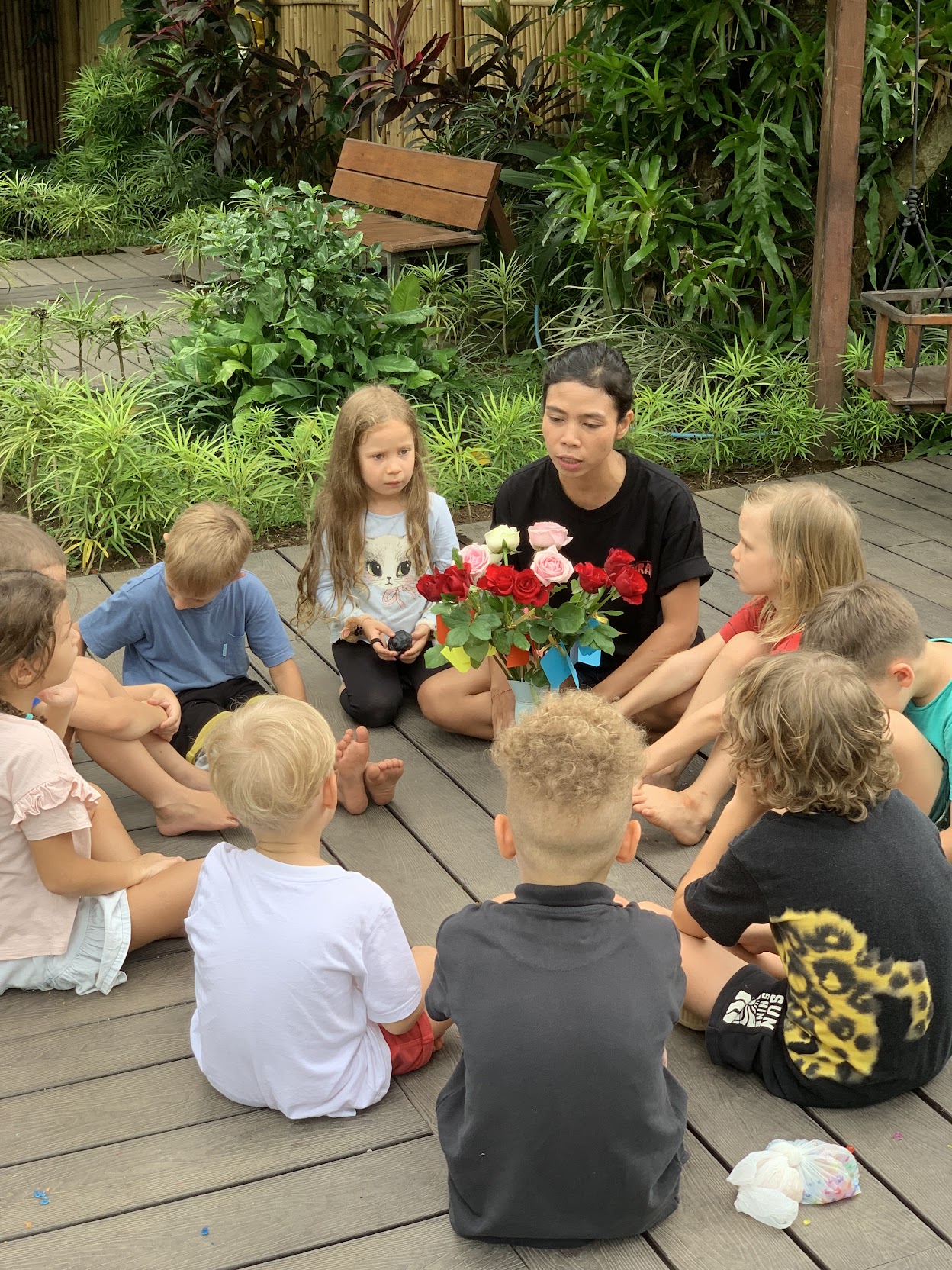
Sensory play is not an extra luxury—it is fundamental to healthy early childhood development. By providing simple, nature-rich sensory opportunities, we give children the sensory toolkit they need to understand the world, regulate their emotions, and build a lifelong foundation for cognitive success.At Balu Kids in Ubud, Bali, our outdoor play areas are built from natural materials (stones, grass, sand, and wood) so children can engage all five senses every single day.
Ready to experience our sensory-rich Montessori campus in Ubud? Book your family campus tour with Balu Kids today!