Does Montessori Education Teach Children to Exercise and Care for Their Bodies?
Does Montessori Education Teach Children to Exercise and Care for Their Bodies?
Yes. Montessori education supports the development of the whole child, including physical development, independence, self-awareness, and healthy daily habits. Children are encouraged to move their bodies, explore their physical abilities, and learn how to take care of themselves in ways that are appropriate for their age and developmental stage.
Movement Builds Strong, Confident Bodies
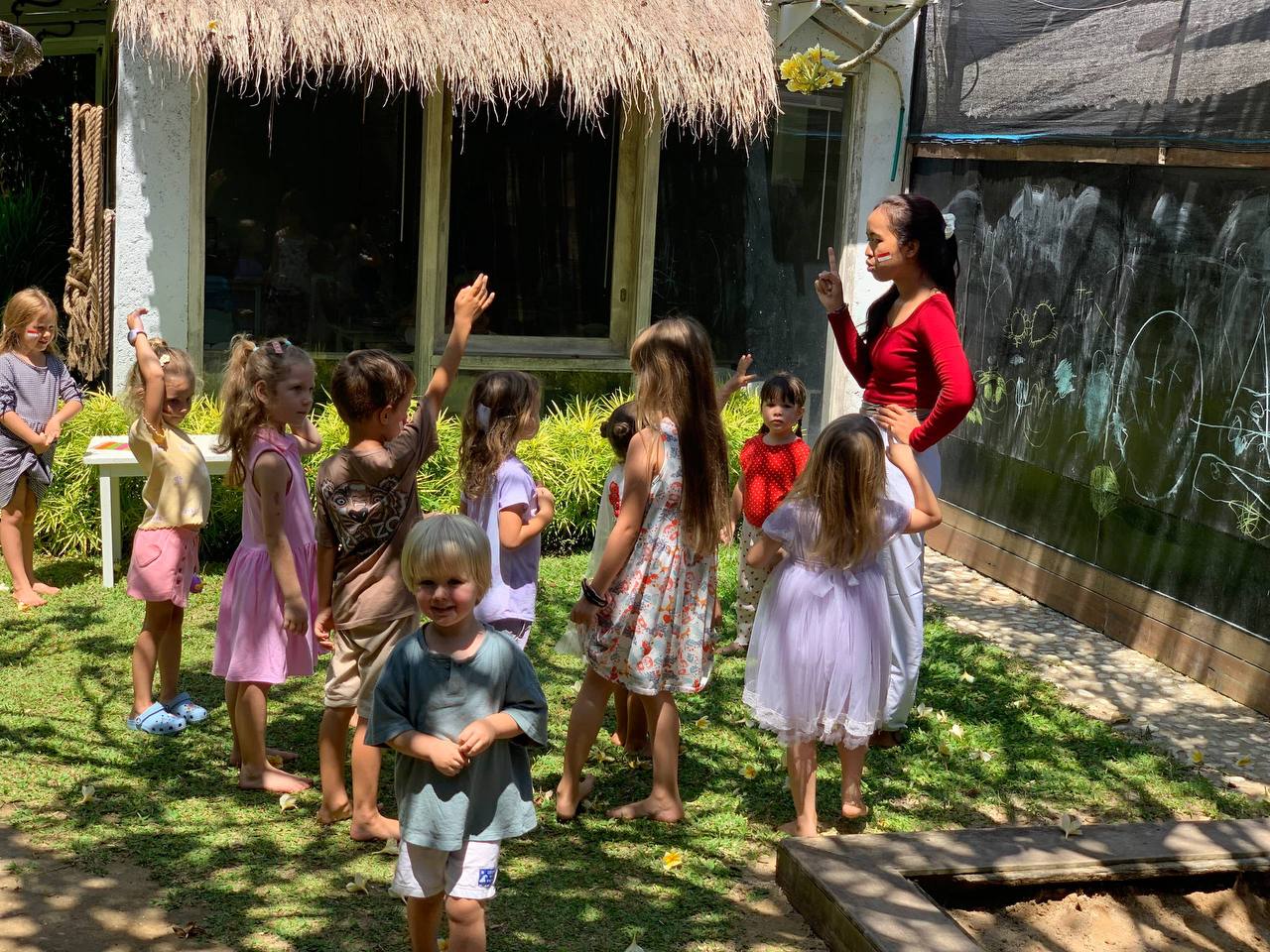
Physical activity is an important part of a child's development. In a Montessori environment, children have opportunities to engage in activities such as walking, running, jumping, climbing, hanging, and playing with balls. These activities help strengthen muscles, improve balance and coordination, and develop gross motor skills. Through movement, children learn to control their bodies, become aware of their physical abilities, and gain confidence in what they can do.Simple Yoga for Young Children
Children can also be introduced to simple yoga movements. Yoga for young children is not about performing perfect poses. Instead, it can help children become more aware of their bodies, practice balance, develop flexibility, and learn simple breathing and relaxation techniques. Fun activities such as stretching, taking deep breaths, or imitating animal movements can make physical activity enjoyable and engaging.Staying Active Throughout the Day
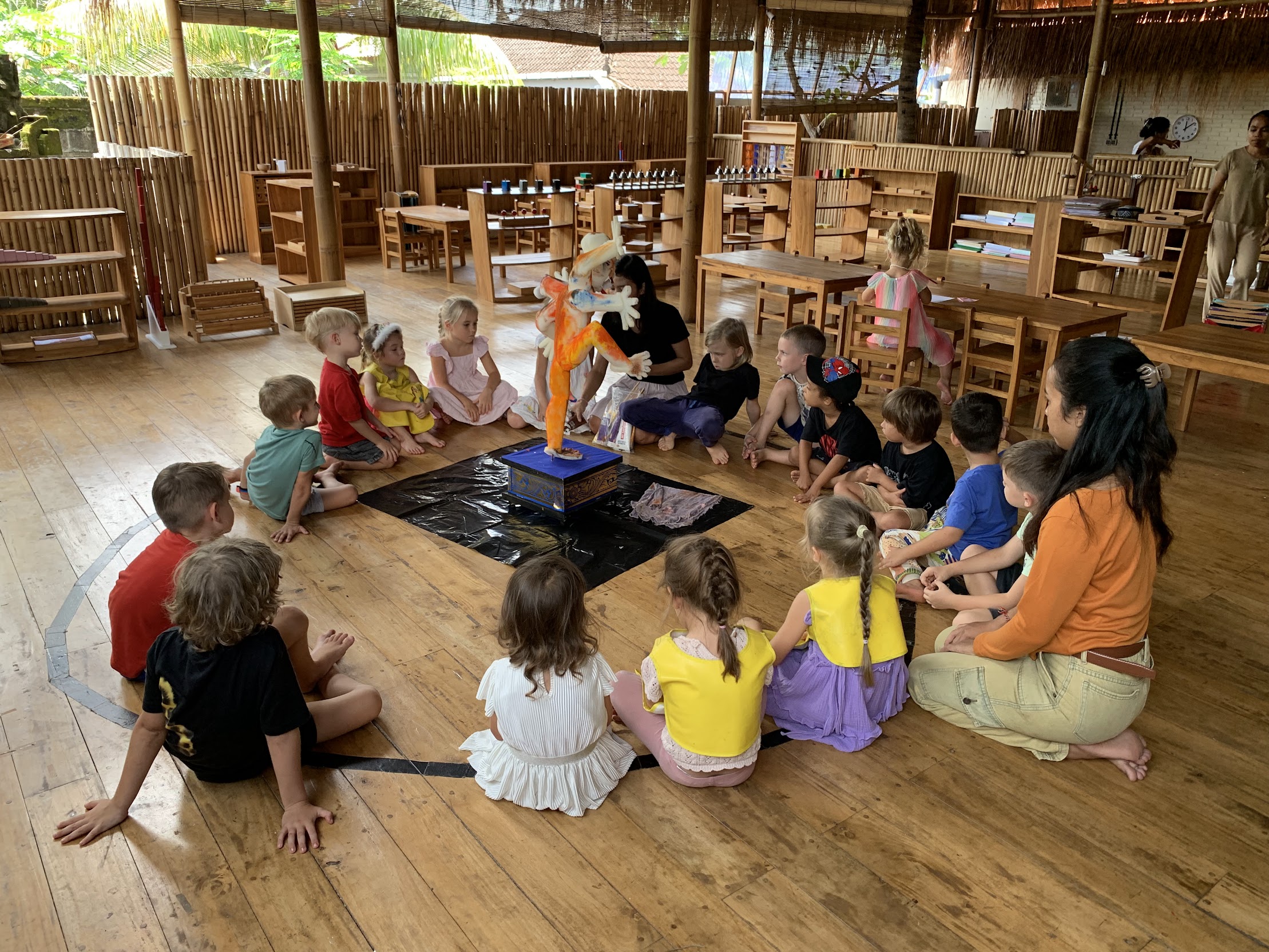
Montessori environments also encourage children to stay active throughout the day. Children are not expected to remain seated for long periods. They naturally move around the classroom to choose materials, carry objects, participate in Practical Life activities, and explore the outdoor environment. Movement becomes a natural part of their learning rather than something separated from the educational experience.Caring for the Body Through Self-Care
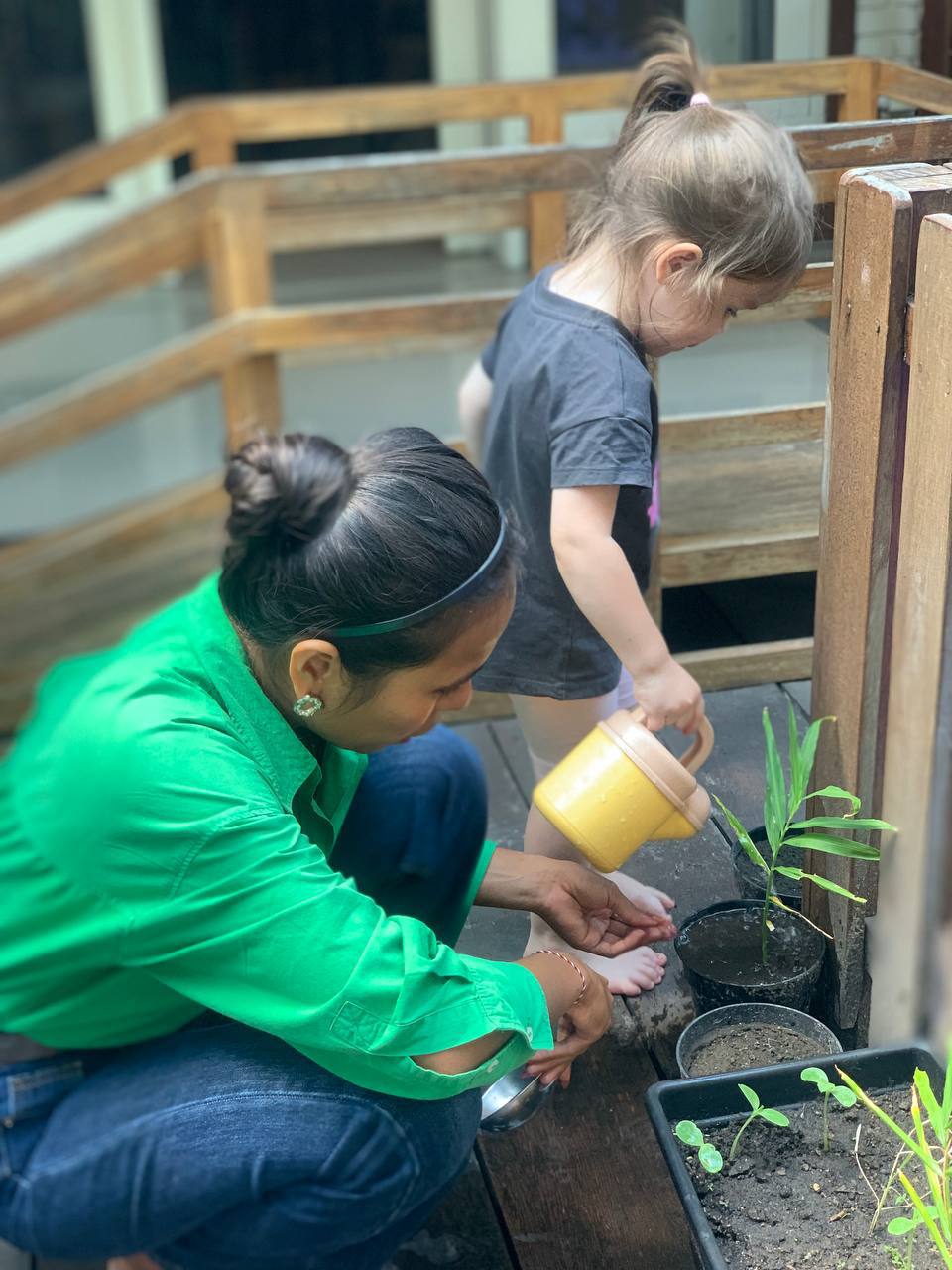
Caring for the body is also closely connected to independence and self-care. Children are encouraged to wash their hands, use the toilet, dress themselves, brush their hair, eat independently, drink water, and keep themselves clean. These everyday activities help children understand that their bodies are valuable and deserve to be cared for.Ultimately, Montessori education recognizes that physical well-being and learning are closely connected. By providing opportunities for movement, exercise, outdoor play, and self-care, Montessori helps children develop healthy bodies while building independence, confidence, concentration, and respect for themselves.
How Can Parents Support This at Home?
Parents can continue this approach by creating simple opportunities for movement and self-care at home. Encourage your child to walk, run, jump, climb safely, play with a ball, stretch, or try simple yoga movements. Give your child time to dress independently, wash their hands, tidy their belongings, and participate in age-appropriate daily routines.Small everyday opportunities can help children build healthy habits for life. Let's encourage our children to move, explore, care for their bodies, and enjoy becoming more independent, one step at a time.
Want to see how movement and outdoor play are part of every day at Balu Kids? Book a campus tour with us today!